
Firstly, let’s talk about the advantages of artificial plants. Unlike their living counterparts, artificial plants don’t require watering, fertilizing, or pruning. This translates to lower water consumption, reduced use of chemicals, and less waste from dead plants. Since they are made from synthetic materials such as polyester, plastic, or silk, they are not affected by weather conditions, pests, or diseases, which means they can last for years with minimal maintenance. Moreover, artificial plants come in various shapes, sizes, and colors, allowing you to choose the ones that suit your taste and home decor theme. You can even create indoor gardens with artificial plants that mimic the ambiance of a botanical garden or a rainforest.
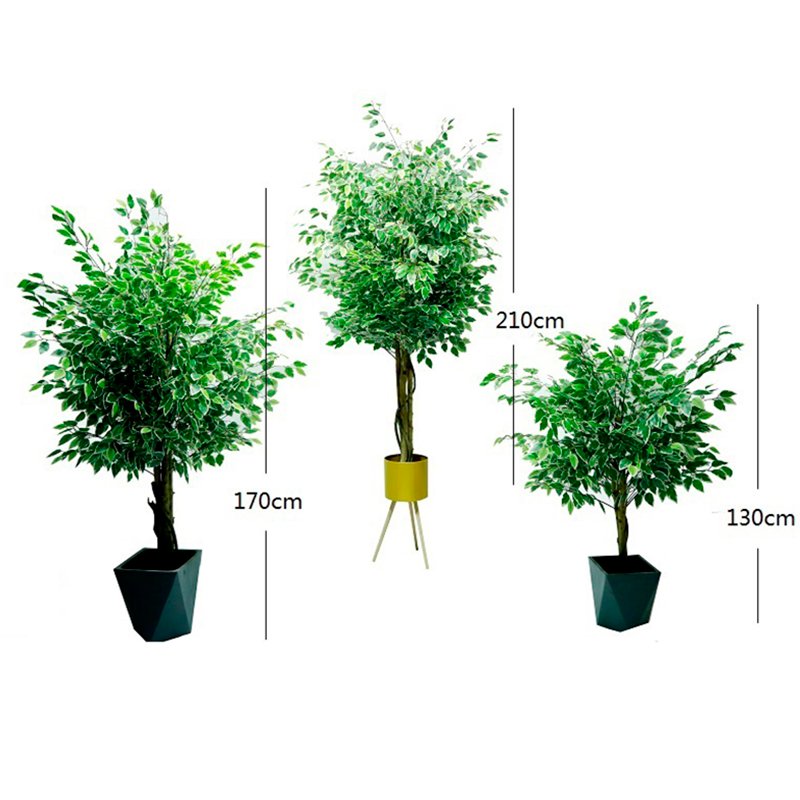
Secondly, let’s address the concerns that people have about artificial plants. Some may argue that artificial plants lack the authenticity and vitality of real plants and that they can’t replicate the benefits of live plants, such as oxygen production, air purification, and stress reduction. However, recent studies have shown that even though artificial plants don’t perform photosynthesis or absorb pollutants, they can still have positive effects on our mind and body. For example, a study by the University of Exeter found that having indoor plants, whether real or fake, can enhance productivity, creativity, and mood, as well as lower stress levels and fatigue. This suggests that the mere sight of greenery can stimulate our senses and trigger a sense of well-being that transcends the physical properties of plants.


